
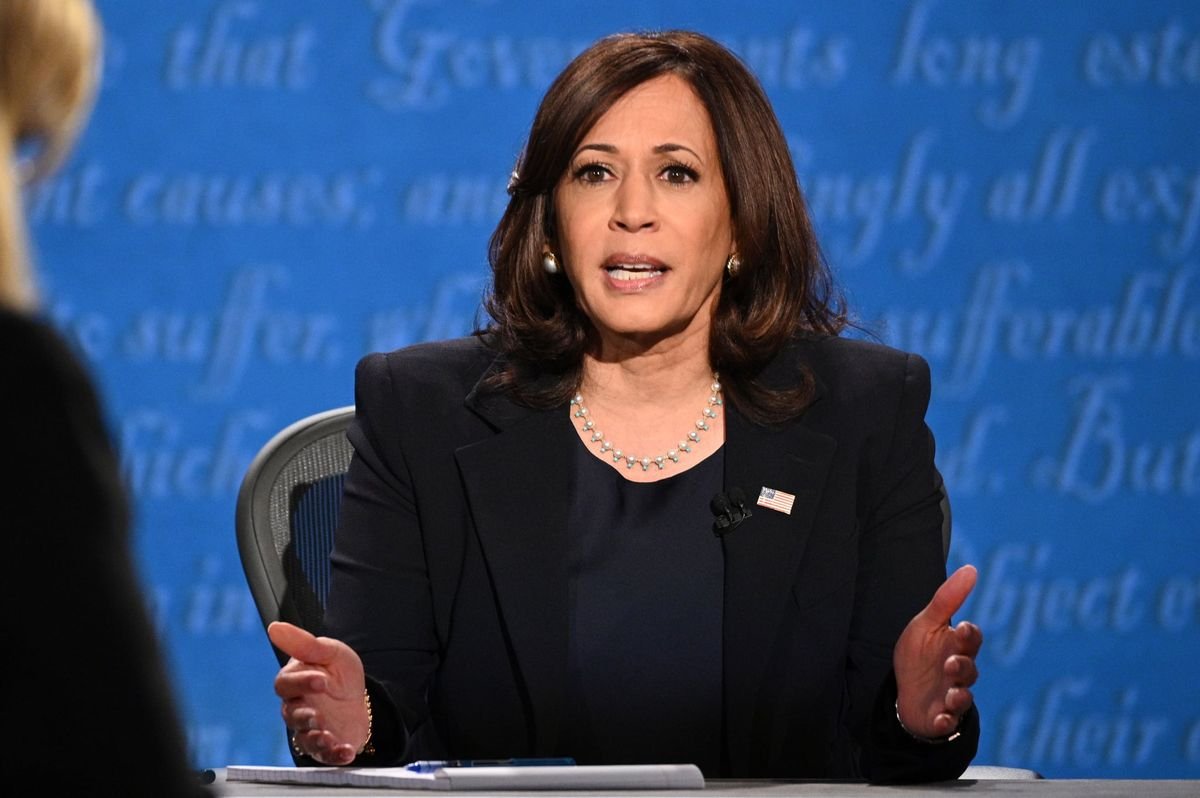
In every society, a woman’s voice has often been ignored, interrupted, or silenced. But times are changing. Across the world, including Pakistan, women are finding the courage and space to speak up — and when they do, their words carry power, truth, and the ability to transform lives. Her Voice Matters because it represents strength, resilience, and the right to be heard.
This article explores why a woman’s voice matters, how speaking up leads to personal and societal growth, and what challenges women face in finding and using their voice. It also highlights ways to support and amplify women’s voices in today’s world.
This article explores why a woman’s voice matters, how speaking up leads to personal and societal growth, and what challenges women face in finding and using their voice. It also highlights ways to support and amplify women’s voices in today’s world.
What Does It Mean to Speak Up?
Speaking up doesn’t only mean raising your voice in a crowd. It means expressing your truth, sharing your experiences, asking questions, and standing up for your rights.
When a woman speaks up, she:
- Asserts her identity
- Claims her space in society
- Demands justice
- Inspires others to do the same
Whether it’s sharing an opinion at the dinner table, reporting workplace harassment, or telling her story online every act of speaking up is an act of empowerment.
Why Her Voice Matters More Than Ever
Women’s voices bring balance, empathy, and diversity to conversations, decisions, and leadership. Here’s why empowering women to speak up is essential:
- Her Voice Matters Because It Promotes Gender Equality in families, workplaces, and politics
- Exposes injustice and challenges harmful norms
- Leads to policy change and better representation
- Inspires other women and young girls to be confident
- Strengthens communities through shared experiences and support
A society that listens to women is a society that grows.
Key Statistics on Women’s Voices and Representation
1. Low Representation in Leadership
Despite making up nearly 50% of the population, women hold less than 20% of leadership roles in Pakistan’s political and corporate sectors.
2. Workplace Silence
According to reports, many women in workplaces do not report harassment or discrimination due to fear of losing their jobs or facing blame.
3. Online Expression
Social media has become a key platform for women to express their views. More than 60% of digital activists in Pakistan are women, using Instagram, Twitter, and YouTube to raise awareness on issues like mental health, education, and women’s rights.
Challenges That Silence Women
Despite progress, many women still hesitate to speak up. Here are some of the key barriers:
1. Cultural and Social Pressure
In many communities, women are raised to be quiet, obedient, and “respectful” — which often means not challenging authority or tradition.
2. Fear of Judgment or Backlash
Women who speak out may face criticism, harassment, or threats, both online and offline.
3. Lack of Safe Spaces
Without safe, supportive environments, women may feel isolated in their experiences and afraid to share them.
Areas Where Women Must Speak Up
There are several areas in life where a woman’s voice makes a crucial difference:
- In the Home: Making decisions, voicing needs, and setting boundaries
- In Education: Asking questions, participating in discussions, and pursuing leadership roles
- At Work: Reporting injustice, negotiating salaries, and leading teams
- In Society: Engaging in activism, community decisions, and voting
- Online: Sharing stories, opinions, and advocating for causes
How to Support and Amplify Her Voice
Empowering women to speak up doesn’t happen overnight it needs support from society, institutions, and individuals. Here’s how we can help:
1. Create Safe Spaces
Encourage open conversations at home, schools, and workplaces where women feel heard and respected.
2. Mentorship and Role Models
Highlight women leaders, writers, and activists who use their voices for change. They can inspire others to do the same.
3. Promote Media Literacy and Digital Tools
Teach women how to use social media and online platforms to express themselves safely and effectively.
4. Challenge Cultural Norms
Encourage families and communities to value girls’ opinions and give them equal opportunities to speak and lead.
The Future of Her Voice in Pakistan
With increased awareness, educational opportunities, and digital access, the future is hopeful for women in Pakistan. More women are joining podcasts, writing blogs, becoming public speakers, and leading campaigns for change.
Initiatives by NGOs and the government are focusing on giving women platforms, funding, and visibility. The journey is long, but every woman who speaks up brings the nation one step closer to equality.
Conclusion
A woman’s voice is not just her words — it’s her power, her truth, her courage, and her influence. When she speaks up, she not only changes her life — she changes the world around her.
By encouraging, respecting, and amplifying her voice, we build a society where equality thrives, freedom grows, and every voice counts.
