
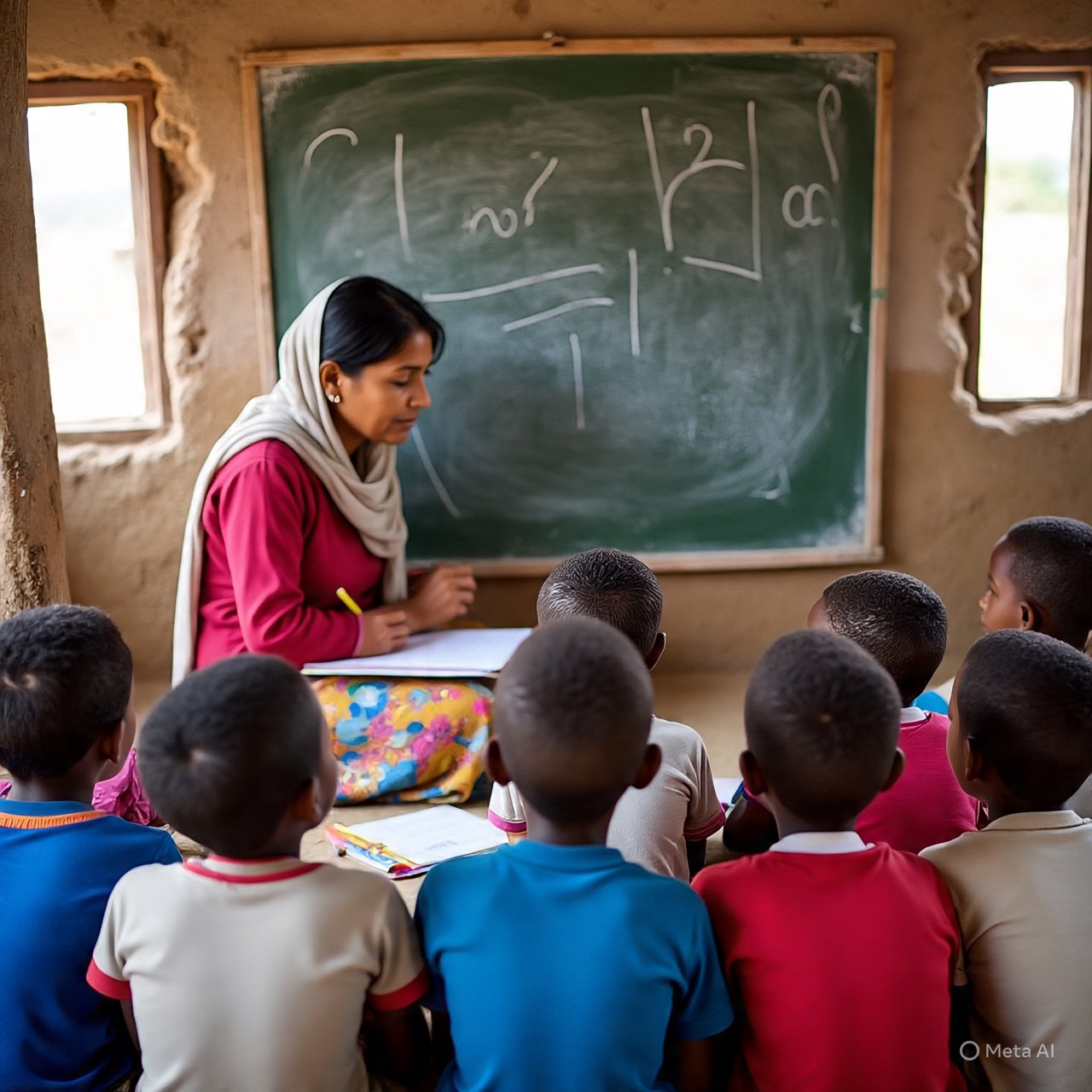
Discover the causes, effects, and solutions to limited access to education, a major global issue affecting millions. Learn how we can break this cycle and build a brighter, more equitable future.
Introduction
Education is a fundamental human right. Yet, millions of children and adults around the world are denied this basic opportunity. Limited access to education not only hinders personal growth but also stalls the social and economic development of entire communities and nations. In this blog post, we will explore the root causes, far-reaching impacts, and potential solutions to this pressing global challenge.
Causes of Limited Access to Education
- Poverty
- One of the leading causes of educational inequality.
- Families living in poverty often cannot afford school fees, uniforms, or transportation.
- Children are often forced to work to support their families, missing out on school.
- Lack of Infrastructure
- Rural and remote areas often lack schools, qualified teachers, and basic facilities.
- Long distances to schools discourage attendance, especially for girls.
- Gender Discrimination
- In many regions, girls are discouraged or even prevented from going to school.
- Early marriage, domestic responsibilities, and cultural taboos keep girls away from classrooms.
- Conflict and Displacement
- War, natural disasters, and internal displacement disrupt schooling for millions.
- Refugee children often go years without formal education.
- Policy Gaps and Underfunding
- Governments in some regions lack the resources or political will to prioritize education.
- Weak policies and corruption further drain the education system.
Consequences of Educational Inequality
- Generational Poverty: Without education, individuals struggle to find employment or earn a living wage, trapping families in a cycle of poverty.
- Social Injustice: Educational exclusion contributes to inequality, marginalization, and social unrest.
- National Setbacks: Countries with low literacy rates and skill shortages face slower economic growth.
- Health Issues: Education leads to better health awareness, especially among women. Limited education correlates with higher infant mortality and poor health outcomes.
Real-Life Example: Pakistan
In Pakistan, millions of children are out of school, especially in rural and underdeveloped areas. Girls are disproportionately affected, and the lack of trained teachers and safe learning environments further worsens the situation. Despite government and NGO efforts, barriers like poverty, gender roles, and outdated curricula continue to hinder progress.
Solutions and Way Forward
- Investment in Education
- Governments and international organizations must allocate more funds toward building schools, training teachers, and providing learning materials.
- Scholarship Programs
- Financial aid and conditional cash transfers can encourage families to send children to school.
- Community Awareness
- Educating communities on the importance of schooling, especially for girls, can help change mindsets.
- Digital Learning
- E-learning platforms and mobile education initiatives can bridge gaps, especially in remote areas.
- Policy Reforms
- Effective educational policies that focus on inclusion, equity, and quality can bring long-term change.
Final Thoughts
Limited access to education is not just an educational issue—it is a human rights and development crisis. Breaking this cycle requires collective action from governments, communities, educators, and individuals. By investing in inclusive and equitable education, we pave the way for a better, more just world.
