
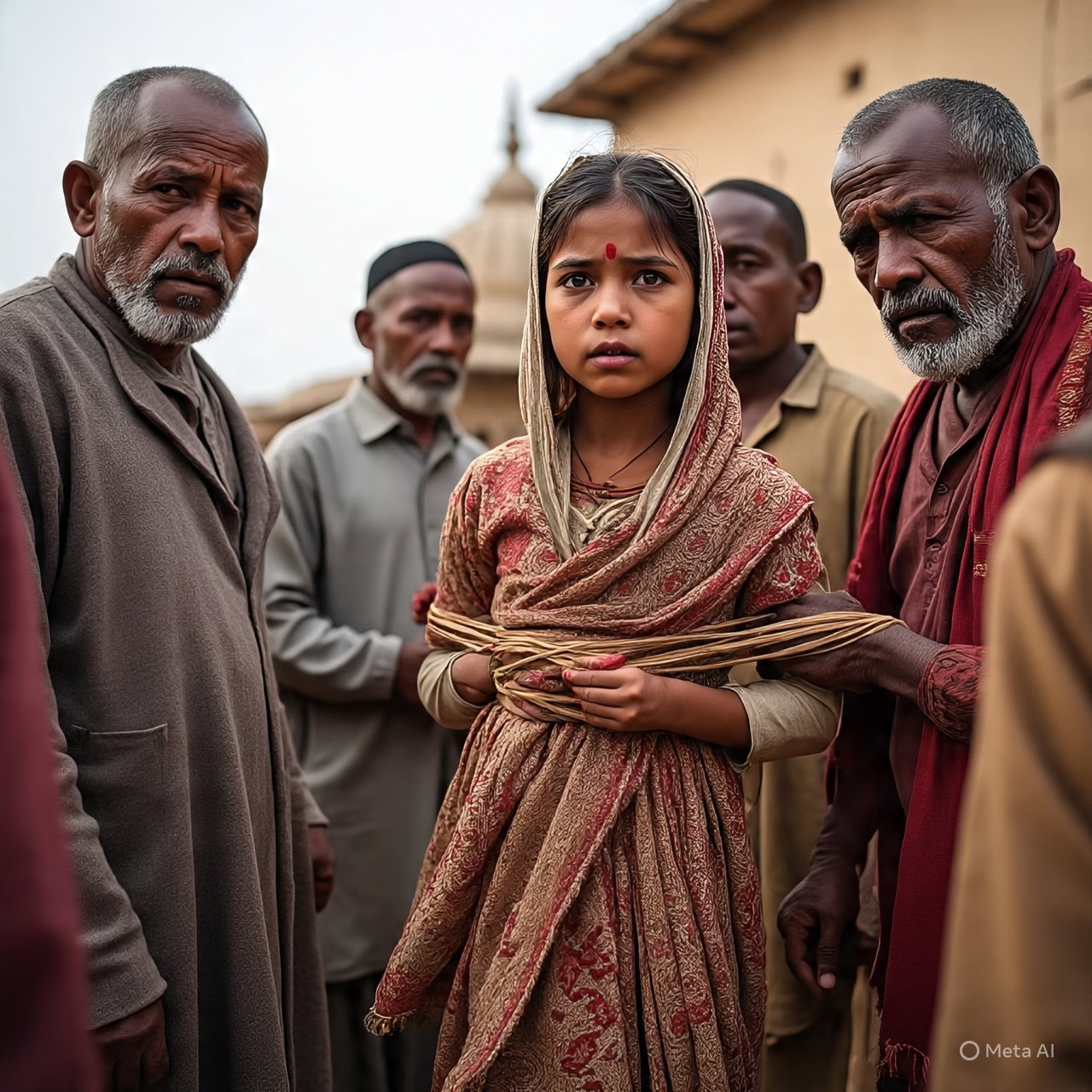
Child Marriage and Honor Crimes: Deep-Rooted Injustices That Demand Urgent Action
Introduction
In many parts of the world, especially in South Asia, the Middle East, and parts of Africa, child marriage and honor crimes continue to violate basic human rights. These practices are often justified in the name of culture, tradition, or family honor—but in reality, they rob individuals, especially girls, of their childhood, education, safety, and freedom. This blog explores the root causes, consequences, and potential solutions to these deeply troubling issues.
What is Child Marriage?
Child marriage refers to any formal marriage or informal union involving at least one person under the age of 18. In most cases, the victim is a girl, often forced to marry a much older man.
Key Facts:
- Every year, around 12 million girls are married before the age of 18 globally.
- Child brides are often pulled out of school and denied the right to make decisions about their lives.
Causes of Child Marriage
- Poverty and Economic Pressure
- Families often marry off daughters early to reduce financial burden or to receive a dowry.
- Gender Inequality
- Girls are seen as burdens or commodities in many patriarchal societies.
- Lack of Education
- Communities with low literacy rates often fail to understand the long-term harm of child marriage.
- Social Pressure and Traditions
- Fear of premarital relationships or dishonor pushes families to marry daughters early.
What Are Honor Crimes?
Honor crimes are acts of violence, including murder, committed against individuals (mostly women) who are believed to have brought shame or dishonor upon their families.
Examples include:
- Choosing a partner against family wishes
- Refusing an arranged marriage
- Being a victim of sexual assault
- Dressing or behaving “improperly”
Tragically, victims are often killed by their own relatives.
The Link Between Child Marriage and Honor Crimes
- In many societies, child marriage is used as a tool to control girls’ sexuality and protect so-called “family honor.”
- Girls who resist forced marriage or attempt to escape are often subject to honor-based violence.
Consequences of These Practices
- Physical and Mental Health Risks
- Child brides face early pregnancies, higher maternal death rates, and trauma.
- Victims of honor crimes often suffer extreme psychological and physical abuse.
- Loss of Education and Opportunity
- Married girls usually drop out of school, limiting their future potential.
- Cycle of Poverty and Abuse
- Early marriage and violence trap girls in lifelong cycles of dependency and oppression.
- Legal and Social Injustice
- In many regions, laws are weak, poorly enforced, or even support these practices.
Real-World Example: Pakistan
In Pakistan, both child marriage and honor crimes remain widespread, especially in rural areas. Despite legal frameworks like the Child Marriage Restraint Act and the Criminal Law (Amendment) Act, enforcement remains weak due to cultural norms, lack of awareness, and social pressures.
Solutions: Ending Child Marriage and Honor Crimes
- Education and Awareness
- Educating communities, especially parents and religious leaders, is key to changing mindsets.
- Legal Reforms and Enforcement
- Governments must strengthen laws, increase penalties, and ensure strict enforcement.
- Empowering Girls
- Investing in girls’ education and rights helps them resist early marriage and violence.
- Community Engagement
- Involving local influencers, elders, and media can help shift public opinion.
- Helplines and Safe Shelters
- Support systems for at-risk girls and women are essential for their protection.
Final Thoughts
Child marriage and honor crimes are not just individual tragedies—they are societal failures. These practices reflect deep-rooted gender inequality, lack of education, and cultural misinterpretations. Ending them requires unified efforts from governments, communities, NGOs, and individuals. Every child deserves the right to live, learn, and love freely—without fear.
