
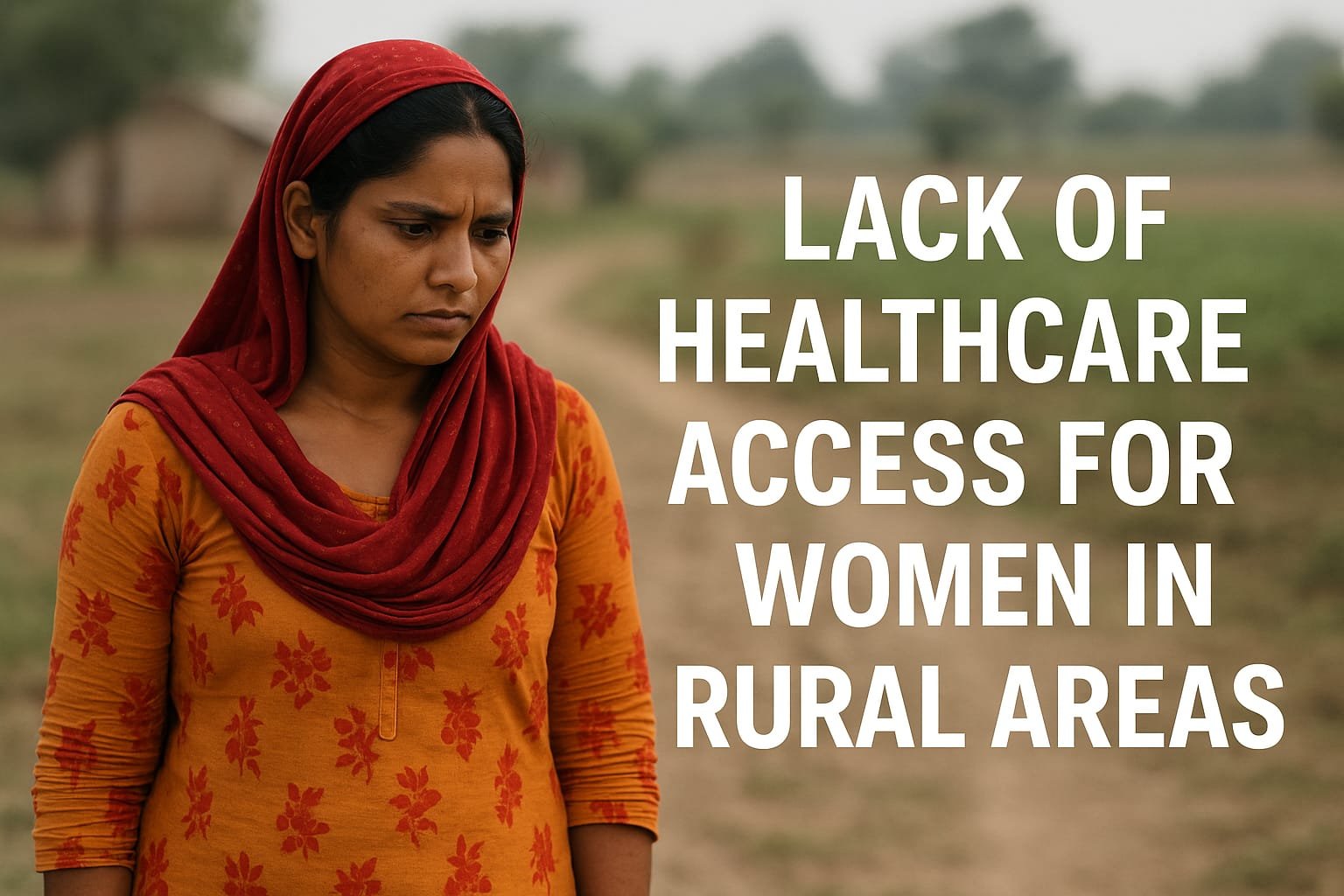
The Silent Struggle: Lack of Healthcare Access for Women in Rural Areas
In rural areas around the world, women face a silent health crisis. While access to healthcare is already limited in remote regions, women suffer disproportionately due to gender inequality, poor infrastructure, lack of maternal health services, and cultural barriers. The result? Millions of rural women are denied the basic right to healthcare—putting their lives and well-being at constant risk.
Why Women in Rural Areas Are More Vulnerable
Rural women face unique healthcare challenges, including:
- Limited access to maternal and reproductive health services
- Lack of female healthcare providers
- Social and cultural restrictions on seeking care
- High rates of poverty and illiteracy
- Gender-based discrimination
These issues compound to create a dangerous environment where women are often left untreated, misdiagnosed, or completely ignored by the healthcare system.
Key Healthcare Challenges for Rural Women
1. Maternal Health Risks
Pregnant women in rural areas are especially vulnerable. Lack of skilled birth attendants, unavailability of emergency obstetric care, and poor transportation lead to higher rates of maternal mortality.
In many developing countries, women still give birth at home without professional help, increasing risks for both mother and child.
2. Reproductive Health Neglect
Rural women often have little access to family planning, contraception, or gynecological care. This leads to unplanned pregnancies, unsafe abortions, and untreated infections like UTIs and STIs.
3. Cultural Barriers and Gender Roles
In many conservative rural communities, women are not allowed to travel alone or make independent health decisions. The lack of female doctors also discourages many from seeking care.
4. Economic Dependence
With limited education and job opportunities, rural women often rely financially on male family members. This economic dependence means they may not seek or prioritize medical treatment.
5. Mental Health Neglect
Mental health is rarely addressed in rural healthcare, especially for women dealing with depression, anxiety, or trauma from domestic violence or childbirth complications.
Real-World Examples
- In Pakistan, thousands of rural women die every year due to preventable complications during childbirth.
- In India, rural women are more likely to suffer from anemia and malnutrition due to gender-based food discrimination.
- In Sub-Saharan Africa, young girls face limited access to menstrual hygiene products and education, leading to school dropouts and health issues.
What Can Be Done?
While the challenges are significant, they are not insurmountable. Here are some strategies that can help improve healthcare for rural women:
1. Mobile Health Clinics for Women
Deploying mobile units that offer maternal and reproductive health services can help reach women in remote areas.
2. Train Female Health Workers
Training and employing female community health workers (like Pakistan’s Lady Health Workers program) builds trust and improves access.
3. Telehealth for Women’s Health
Telemedicine platforms can provide confidential consultations with female doctors, especially for sensitive reproductive health issues.
4. Women-Centered Education Campaigns
Health awareness sessions about menstrual hygiene, contraception, and maternal care can empower women to make informed choices.
5. Subsidized Maternal Healthcare
Governments should provide free or subsidized maternal and reproductive care, including transportation support for emergency cases.
The Role of Policy and Society
To truly improve healthcare access for rural women, systemic changes are needed:
- Gender-sensitive healthcare policies
- Investments in rural hospitals and maternity centers
- Promoting women’s education and empowerment
- Involving local communities in health planning
Final Thoughts
The lack of healthcare access for rural women is not just a gender issue—it’s a human rights issue. Without action, countless women will continue to suffer and die from preventable conditions. It’s time to break the silence and invest in inclusive healthcare systems that leave no woman behind.
